
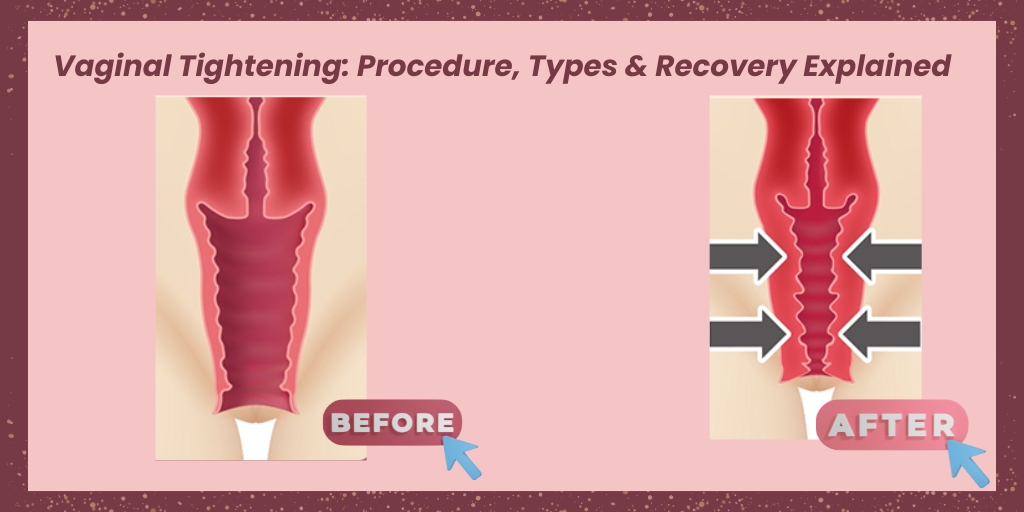
Vaginal tightening has become a well-discussed topic for women considering intimate wellness treatments.Vaginal laxity, which can be brought on by childbirth, ageing, or hormonal changes, is addressed by this surgery. Whether it’s for improved comfort, intimacy or confidence, vaginal tightening treatment offers medical and aesthetic benefits that more women are now exploring.
In this blog, we explain what vaginal tightening is, its various methods, what to expect during recovery, and how to choose the best cosmetic clinic. The information provided here is for those seeking reliable guidance from a health and beauty perspective.
What Is Vaginal Tightening?
The term “vaginal tightening” describes techniques intended to repair and firm the tissues around the interior vaginal canal. This can be achieved through surgical or non-surgical methods, depending on the individual’s concerns and medical advice.
It’s common for women to experience changes in vaginal muscle tone and tissue elasticity due to:
- Childbirth (especially multiple deliveries)
- Menopause
- Age-related tissue weakening
This treatment can help enhance personal comfort and potentially improve quality of life.
Types of Vaginal Tightening Procedures
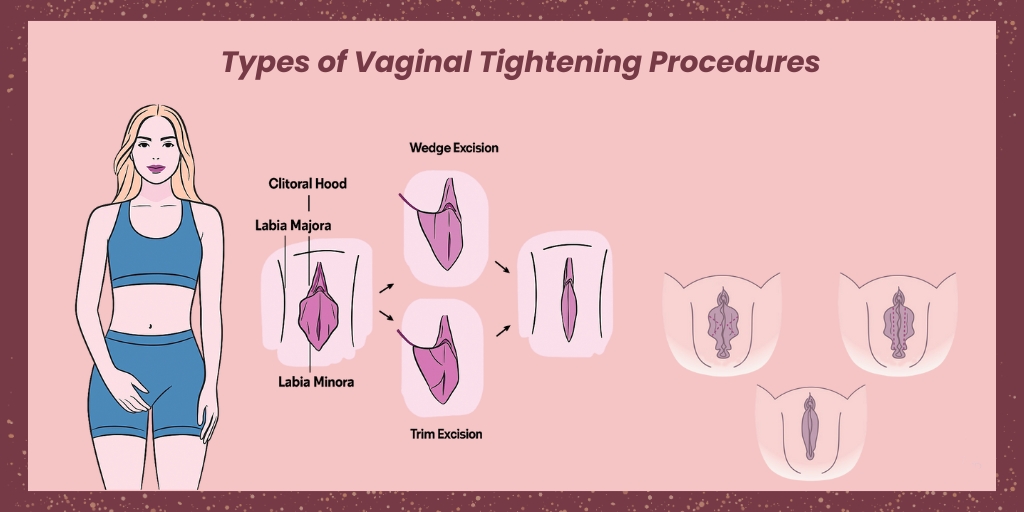
There are two main categories of vaginal tightening procedures: non-surgical treatments and surgical techniques. Each offers a different approach, and suitability depends on one’s needs, recovery preference, and medical history.
1. Non-Surgical Vaginal Tightening
These treatments use energy-based devices to stimulate collagen production and firm the vaginal walls without incisions.
Common methods include:
- Radiofrequency (RF)
- Laser therapy (such as CO2 lasers)
- Ultrasound-based devices
Advantages:
- No downtime
- Minimal discomfort
- Quick sessions (15–30 minutes)
These methods are widely preferred by women who want discreet results with fewer side effects.
2. Surgical Vaginal Tightening (Vaginoplasty)
Vaginoplasty is a cosmetic surgery aimed at tightening the vaginal muscles and reducing excess tissue.
Surgical features:
- Performed under anaesthesia
- Involves removal of loose tissue
- Offers long-lasting results
This may be ideal for women with significant laxity or post-delivery concerns that non-invasive methods cannot address.
Who Is A Suitable Candidate?
Most healthy women experiencing discomfort due to vaginal laxity could benefit from this treatment. But it’s very important to talk to a skilled cosmetic surgery first. Here are some common indicators:
- Feeling of looseness during intimacy
- Vaginal dryness or loss of elasticity
- Reduced confidence in intimate settings
- Post-childbirth tissue concerns
A specialist will consider medical history, hormonal status, and lifestyle factors before recommending the right option.
What To Expect During The Vaginal Tightening Procedure?
Non-Surgical Method Experience:
- A handheld device is applied to the vaginal walls
- Warmth or mild heat may be felt during treatment
- No incisions or bleeding
- Entire session takes about 20–30 minutes
Surgical Method Experience:
- Conducted in a sterile surgical environment
- General or local anaesthesia is used
- Surgeon removes excess vaginal tissue and stitches the area for support
- Duration: Approximately 60–90 minutes
Always consult a board-certified expert such as Dr. Sumit at Harley’s Cosmetic Clinic for detailed procedure planning.
Recovery And Aftercare
Recovery varies based on the type of treatment.
For Non-Surgical Methods:
- Resume normal activities on the same day
- Mild swelling or spotting may occur temporarily
- Results may improve over several weeks as collagen forms
For Surgical Vaginal Tightening:
- Rest required for 5–7 days
- Avoid strenuous activity for 4–6 weeks
- Follow-up check-ups are essential
- Antibiotics or pain relief may be prescribed
Avoiding intercourse during the healing period is necessary to prevent complications.
Benefits of Vaginal Tightening Treatment
Women often report various physical and emotional benefits after undergoing this procedure:
- Enhanced vaginal muscle tone
- Improved sexual satisfaction
- Better control over urinary leakage (in some cases)
- Boost in body confidence
- Reduced dryness and irritation
These improvements can positively impact one’s personal life and overall well-being.
Choosing The Best Cosmetic Clinic
Selecting the right facility is crucial for safe and satisfactory outcomes. When choosing the best cosmetic clinic, consider:
- Surgeon’s qualifications and experience
- Clean and well-equipped environment
- Availability of both surgical and non-surgical options
- Transparent pricing
- Patient support and follow-up
Clinics like Harleys Cosmetic Clinic, led by experienced professionals like Dr. Sumit, often provide clear consultations, tailored advice and advanced facilities for women’s intimate wellness.
Frequently Asked Questions
Q1: What is vaginal tightening, and how does it work?
Answer: Vaginal tightening refers to treatments that improve the firmness of vaginal muscles and tissues. It can be done through energy-based devices or surgery to restore elasticity and support.
Q2: Is vaginal tightening painful?
Answer: Non-surgical procedures are mostly painless and involve only mild discomfort. Surgical methods involve anaesthesia, so discomfort is managed well during and after the process.
Q3: How long does recovery take after vaginal tightening surgery?
Answer: Surgical recovery may take up to 4–6 weeks, with most women resuming normal activities within one week. Full healing depends on the individual’s health and aftercare.
Q4: Are the results permanent?
Answer: Results from non-surgical procedures can last a year or longer, but you may need to go back for maintenance sessions. Surgical results typically last longer but are still influenced by ageing and lifestyle.
Q5: Can I have vaginal tightening after childbirth?
Answer: Yes, many women opt for this treatment after delivery to address looseness or other concerns. A consultation is necessary to determine the right time and method.
Q6: Is the procedure safe?
Answer: When performed by qualified experts, vaginal tightening is considered safe. Choose a reputable clinic with skilled professionals to reduce risks.
Q7: What’s the cost of vaginal tightening treatment?
Answer: The cost varies depending on the procedure type, clinic reputation, and location. Non-surgical treatments are generally more affordable than surgery.
Q8: Can vaginal tightening help with dryness or urinary issues?
Answer: Yes, it may help improve moisture and reduce mild urinary leakage by enhancing tissue strength and support.


